
Ecommerce in 2026 is defined by speed, precision, and seamless support. Shoppers expect instant answers at every step which is why the ecommerce chatbot has evolved into a core part of the modern buying experience. Brands that embrace automation through platforms like Steps AI grow faster while those that hesitate fall behind rapidly shifting expectations.
1. Why ecommerce chatbots matter in 2026
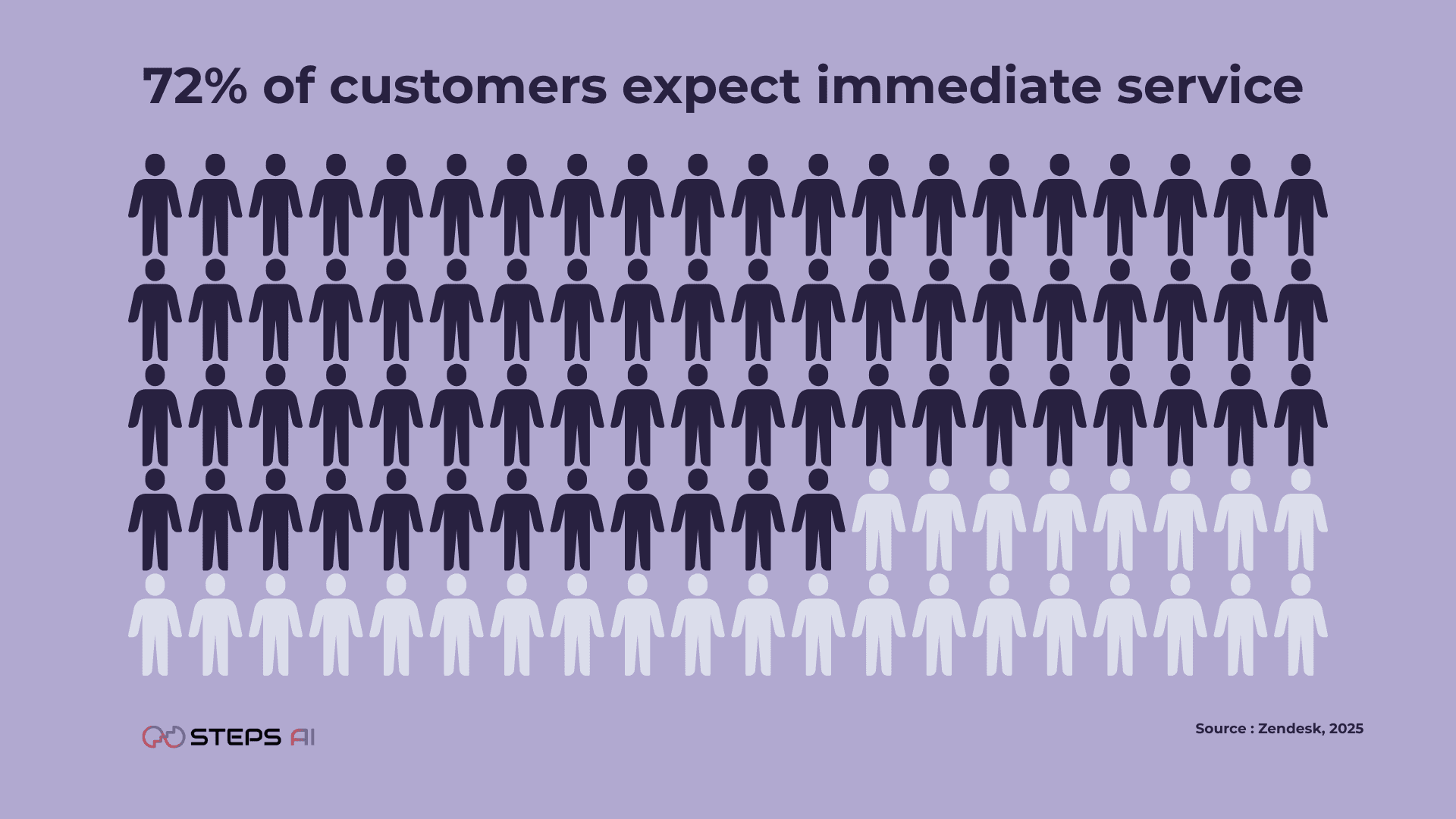
Ecommerce in 2026 operates at a new level of urgency. Customers expect brands to provide answers immediately, regardless of the time, device, or stage of the buying journey. This shift is backed by data. According to Zendesk, 72 percent of customers now expect immediate service, meaning any delay directly impacts trust and purchase decisions.
This heightened expectation is driven by the way shoppers browse today. They compare multiple products across multiple tabs, switch channels quickly, and often make purchase decisions in short bursts. If a customer encounters uncertainty such as unclear shipping details or product compatibility concerns, they quickly abandon the experience and explore alternatives.
Chatbots solve this by providing real time clarity. They answer product questions, explain policies, guide checkout decisions, and provide instant post purchase support. This instant responsiveness directly influences conversion rates and overall customer satisfaction.
For a deeper understanding of how AI driven systems are reshaping customer experience across industries, visit How Agentic AI Is Transforming Enterprises.
Important point: in 2026, the brands that respond instantly earn the sale while those that delay lose the customer.
2. What an ecommerce chatbot actually does in 2026
Ecommerce chatbots have moved far beyond scripted responses. They act as intelligent buying companions that guide customers through product discovery, answer detailed questions, clarify policies, reduce checkout friction, and manage post-purchase steps like tracking and returns.
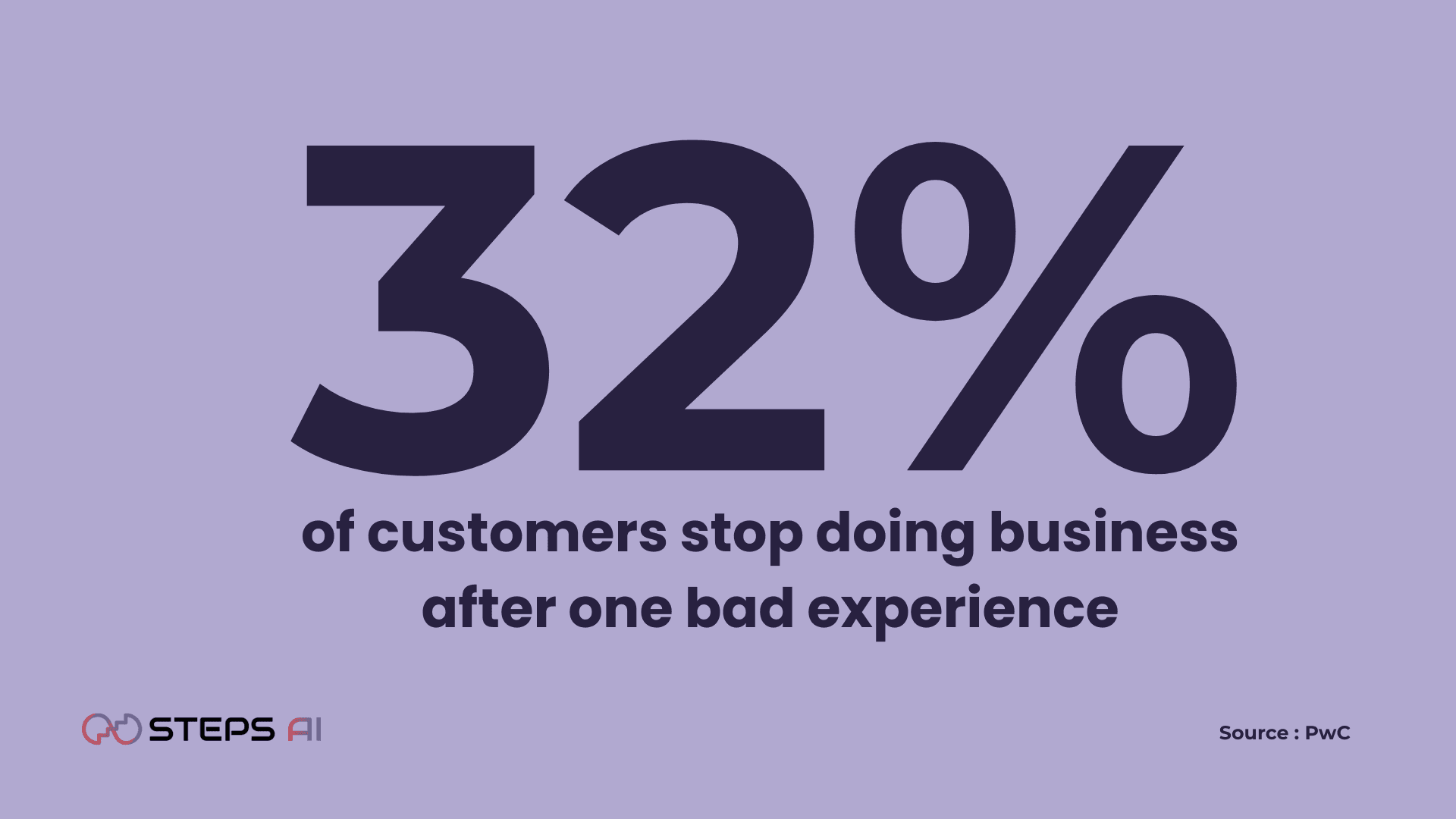
Customer experience directly impacts revenue. According to PwC, 32 percent of customers stop buying from a brand after a single bad experience. Slow responses often create those negative moments which chatbots remove instantly.
Important point: consistent, immediate support prevents unnecessary customer loss.
3. Where ecommerce chatbots create real business value
Ecommerce brands handle large volumes of repetitive customer questions every day. Shoppers routinely ask about shipping times, return eligibility, product availability, sizing, discounts, warranty details, and order status. These inquiries are essential for converting customers but they consume significant time from support teams and often slow down response rates during peak hours.
A chatbot absorbs this workload instantly. By automating high frequency questions, it ensures customers get immediate answers while human support agents focus on complex issues that require judgment, empathy, or deeper investigation. This shift improves both team efficiency and the customer experience.
The operational impact is backed by data. According to Reuters, bots can handle up to 70 percent of routine questions, dramatically reducing ticket volume and lowering support costs for brands that implement automation.
Beyond cost savings, chatbots create business value by reducing friction in the buying process. When customers receive instant clarity about delivery dates, return rules, or product specifications, they are more likely to complete purchases instead of abandoning their carts.
For a more detailed breakdown of how automation elevates customer service performance, explore Top Chatbot Customer Service Solutions.
Important point: by automating repetitive inquiries, chatbots accelerate service speed, improve satisfaction, and free support teams to focus on higher value interactions.
4. Why Steps AI’s Chatbot fits ecommerce perfectly
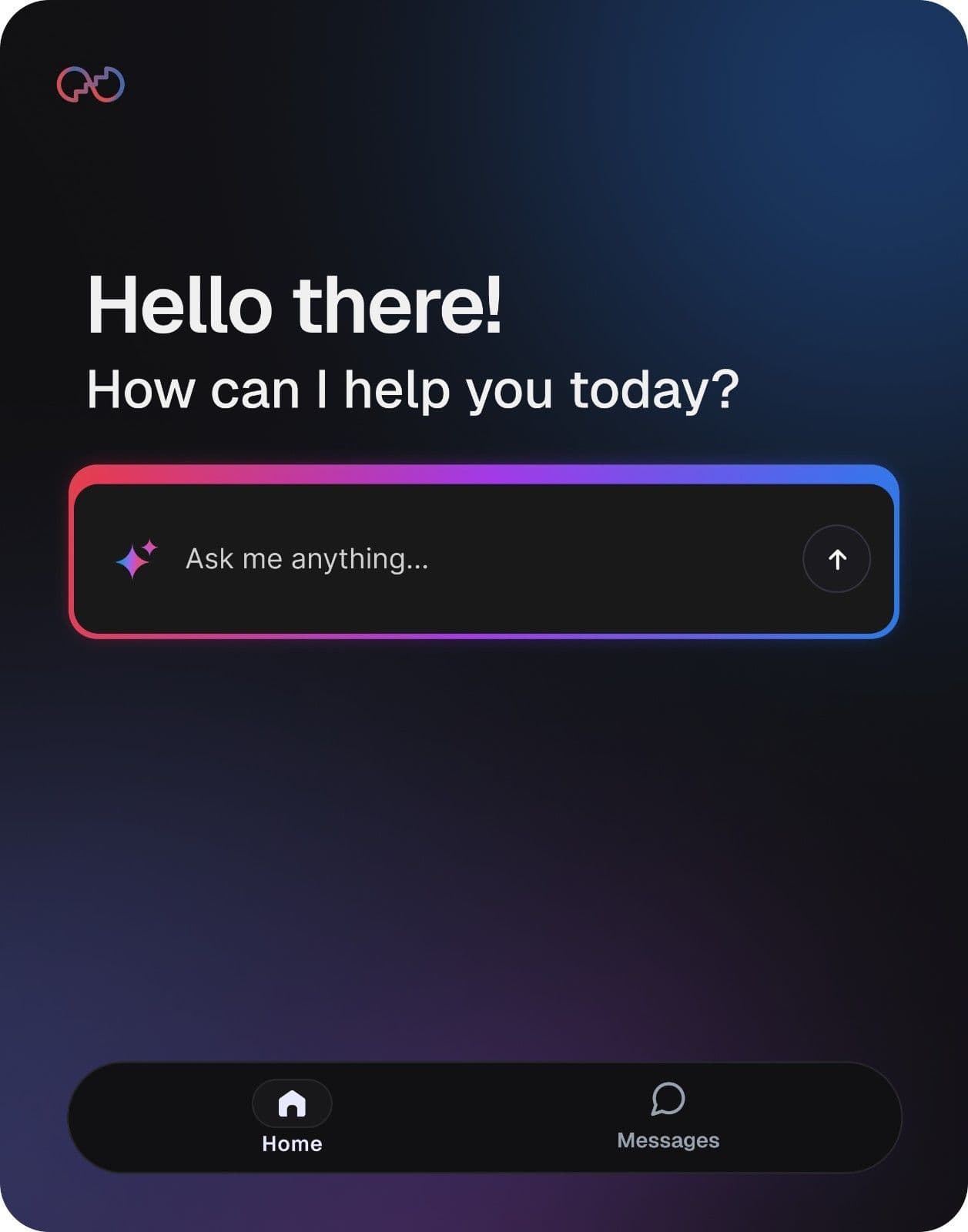
Ecommerce shoppers ask nuanced, multi-layered questions. They want to compare product features, understand delivery timelines, confirm return policies, and validate compatibility details. Most chatbots struggle with this because they rely on predefined scripts. Steps AI’s Chatbot is different. It uses reasoning to interpret intent, understand context, and provide accurate answers that support real shopping decisions.
It understands your full catalog
Steps AI’s Chatbot ingests product descriptions, variants, materials, sizing charts, compatibility notes, and fulfillment logic. This enables it to answer complex product questions with clarity which reduces hesitation and boosts customer confidence. Instead of generic responses, shoppers receive detailed and accurate information tailored to what they are actually asking.
It performs actual service actions
Beyond answering questions, the chatbot can process tasks such as tracking orders, checking return eligibility, initiating exchanges, updating subscriptions, and modifying account details. These automated actions eliminate unnecessary support tickets and give customers immediate control over post-purchase needs.
It improves conversion rates
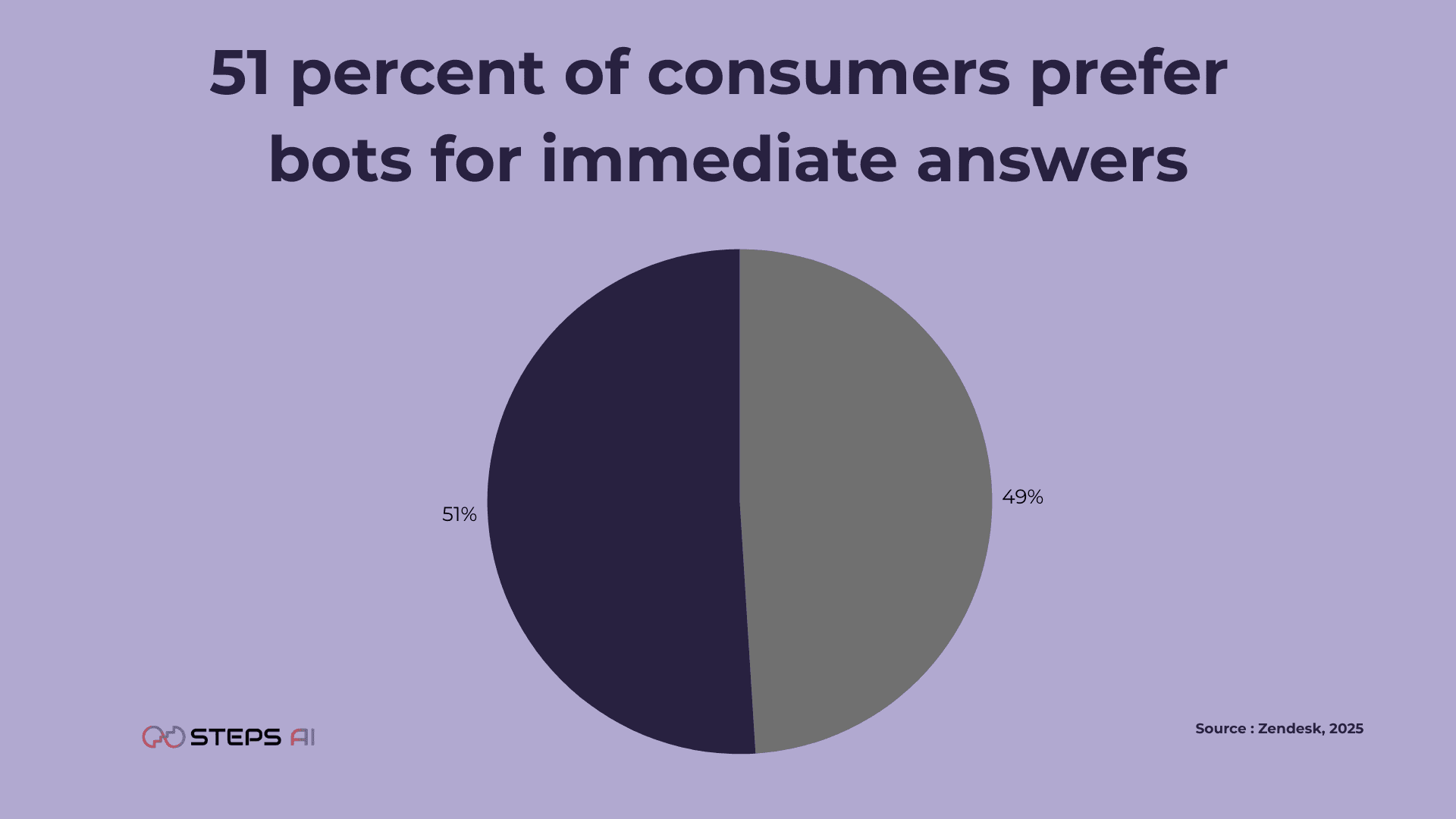
Speed influences buying decisions. According to Zendesk, 51 percent of consumers prefer bots for immediate answers, which directly reduces checkout abandonment. When shoppers get instant clarity on shipping, availability, or product fit, they complete purchases instead of delaying or leaving.
Important point: Steps AI’s Chatbot enhances product clarity, automates support tasks, and boosts conversions which creates measurable revenue impact for ecommerce brands.
5. How ecommerce brands should deploy a chatbot in 2026
A chatbot is only as effective as the information it can access. Even the most advanced AI needs clean, structured, and organized data to deliver accurate responses. Ecommerce brands that invest in well prepared knowledge foundations see dramatically better performance, fewer escalations, and higher customer satisfaction.
Accurate product information
The chatbot should have access to complete product data including attributes, materials, sizing rules, variations, compatibility notes, and fulfillment details. This ensures the system can answer customer questions with precision rather than generic approximations. The more structured the product catalog, the more reliable the chatbot becomes.
Updated and clear policies
Customers frequently ask about shipping times, return eligibility, warranties, and exchange rules. Outdated or inconsistent policy documentation leads to inaccurate responses and customer frustration. Ensuring this information is always up to date helps the chatbot guide customers confidently through both pre purchase and post purchase interactions.
A strong self service foundation
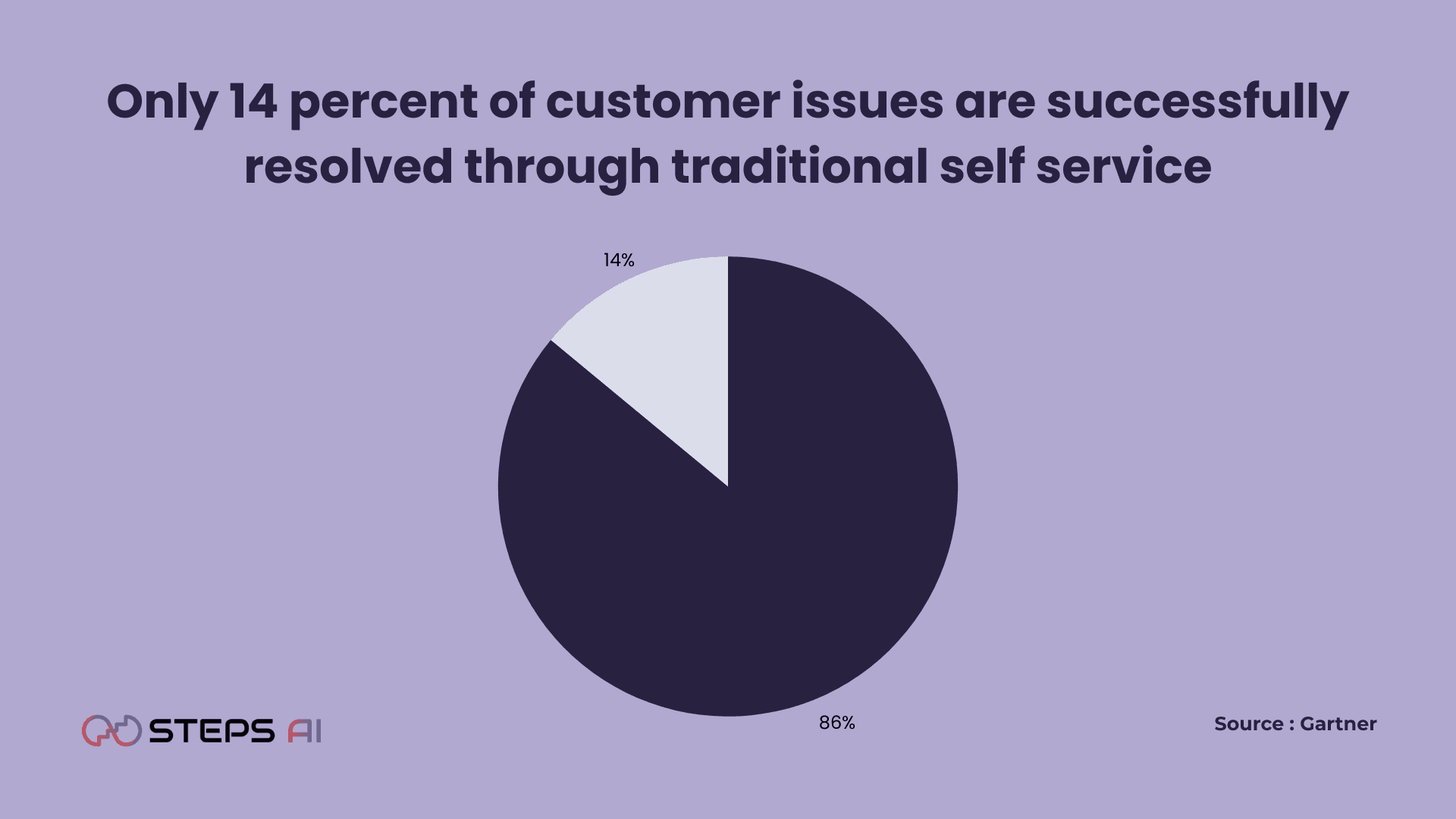
Most e-commerce brands still rely on traditional FAQ pages that customers rarely use effectively. According to Gartner, only 14 percent of customer issues are resolved through traditional self service because the information is often unstructured or hard to find. A chatbot bridges this gap by delivering the right answer instantly, but only if the underlying knowledge is complete and well organized.
For guidance on optimizing workflows and improving conversion efficiency, explore How AI Boosts Sales Productivity.
Important point: chatbot performance is directly tied to data quality which means well structured knowledge leads to more accurate answers and higher conversions.
6. What 2026 sets in motion for ecommerce automation
Ecommerce is entering a new phase where conversational automation becomes the default customer interface. Shoppers increasingly prefer quick, self directed interactions over slower channels like email or phone, and this shift is accelerating as AI systems become more capable and intuitive.
Industry forecasts reinforce this trajectory. According to Salesforce, AI will resolve 50 percent of all service cases by 2027, a milestone that highlights how quickly businesses are adopting automated support. This trend directly impacts ecommerce where speed, accuracy, and availability shape the entire customer journey.
As AI powered chat becomes more advanced, it will do more than answer questions. It will anticipate customer needs, personalize recommendations, integrate with inventory and logistics systems, and support seamless omnichannel interactions. Brands that invest early gain long term advantages in customer satisfaction, operational efficiency, and discoverability in AI driven search environments.
Steps AI’s Chatbot is built for this future. Its reasoning capabilities, action handling, and deep knowledge integration position ecommerce brands to thrive as automation becomes standard across the industry.
Important point: 2026 marks the shift from optional chat automation to essential customer infrastructure, and early adopters will gain a lasting competitive edge.
Final Note
E-commerce in 2026 rewards brands that deliver immediate, accurate, and consistent customer support. Chatbots now play a central role in shaping the buying journey because they reduce friction, answer questions instantly, and handle service tasks without delays. Steps AI’s Chatbot enhances every stage of the customer experience, from product discovery to post-purchase support, while simultaneously reducing operational costs for support teams.
Brands that implement intelligent automation see measurable improvements in conversion rates, customer satisfaction, and retention. As AI-driven search and conversational interfaces continue to grow, having a capable e-commerce chatbot is no longer optional. It is a foundational tool for staying competitive and meeting modern shopper expectations.
If you are looking to elevate your store’s customer experience and support operations heading into 2026, Steps AI’s Chatbot offers one of the most impactful upgrades available.
Explore the ecommerce chatbot experience at Steps AI and see how it can transform your customer support and conversions.
FAQs
1. What is an ecommerce chatbot?
An ecommerce chatbot is an AI powered assistant that helps customers throughout their shopping journey. It can answer product questions, recommend items, provide shipping and return details, guide checkout decisions, and offer post purchase support such as tracking or exchanges.
2. How does a chatbot improve ecommerce conversion rates?
Chatbots reduce friction by giving customers instant clarity on things like delivery timelines, sizing, compatibility, and return policies. When shoppers get quick answers, they hesitate less which leads to higher conversion rates and fewer abandoned carts.
3. Can an ecommerce chatbot replace human support teams?
No. A chatbot is designed to handle high volume repetitive questions, not replace human agents. It automates routine tasks so support teams can focus on complex issues. This combination improves customer satisfaction and reduces operational strain.
4. What data does a chatbot need to perform well?
A chatbot needs structured product information, updated shipping and return policies, clear FAQs, and consistent knowledge sources. The better the data quality, the more accurate and helpful the chatbot’s responses will be.
5. Why choose Steps AI’s Chatbot for e-commerce?
Steps AI’s Chatbot is built for e-commerce specific use cases. It understands detailed product catalogs, performs real service actions, and responds with reasoning instead of scripts. This leads to faster support, higher conversions, and a better overall customer experience.